
Pigeons are far more than the city-dwelling birds we often see in urban parks. Behind that common facade lies a world of breathtaking beauty and incredible diversity, with hundreds of specialized breeds developed
by pigeon fanciers over thousands of years. This article explores the popular pigeon breeds in the United States and delves into the astonishing number of pigeon types found worldwide, showcasing a hobby that blends art, science, and passion.
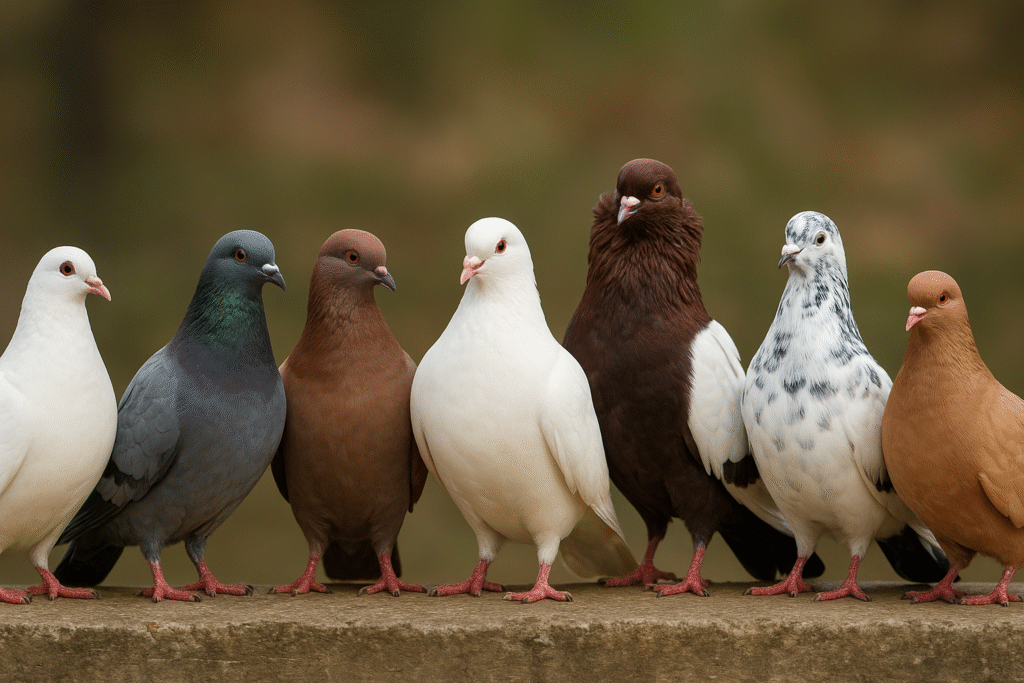
The Staggering Global Number of Pigeon Breeds
Globally, the variety of domestic pigeon breeds is immense. Through selective breeding of the common Rock Pigeon (Columba livia), fanciers have created an remarkable array of forms. While there are more than 300 species of wild pigeons and doves, the number of domestic pigeon breeds is even more vast
Authoritative sources list over 300 distinct breeds of domestic pigeons, with some estimates from enthusiast communities reaching up to 350 different types . This incredible diversity, with breeds differing dramatically in size, shape, color, and behavior, is greater than that of any other domestic animal. This very variation helped attract the attention of Charles Darwin and played a significant role in developing his theory of evolution
Popular and Beloved Pigeon Breeds in the USA
The American pigeon fancying scene is vibrant and diverse, with enthusiasts raising birds for show, sport, and companionship. The following table highlights some of the most popular and recognizable breeds in the United States.
| Breed Name | Primary Use | Key Characteristics & Temperament |
|---|---|---|
| Racing Homer | Sport (Racing) & Pets | Muscular, strong flyers with powerful homing instincts; can be various colors, often blue like wild pigeons or white; intelligent and highly trainable. |
| American Fantail | Show & Ornamental | Known for its distinctive fan-shaped tail (30-40 feathers); graceful, upright posture; friendly nature and a popular exhibition bird. |
| King Pigeon | Utility (Squab) & Pets | Large, pure white with pink beaks; bred for meat (“squab”); very tame and calm but cannot survive in the wild; make excellent, docile pets. |
| Birmingham Roller | Sport & Aerial Performance | Famous for its unique flying behavior: performing rapid, backward somersaults (rolling) in mid-air; kept for flying performances rather than shows. |
| Frillback Pigeon | Show & Ornamental | Covered in unique, beautifully curled feathers on its wings and back; calm temperament; highly valued for its unique ornamental appearance. |
| Jacobin Pigeon | Show & Ornamental | Distinctive “hooded” appearance from elongated feathers around head and neck; elegant look but limited flying ability due to its feathering. |
| American Giant Runt | Utility & Show | One of the largest and oldest pigeon breeds; massive body with a full, prominent breast; originally bred for meat, now also shown. |
| English Carrier | Show & Ornamental | Tall, upright stature with a long, slender beak and large, fleshy wattles (ceres) around the eyes; bred for an dramatic, almost prehistoric appearance. |
From the Skies to the Showroom: Categories of Pigeon Breeds
Pigeon breeds are often categorized based on the traits for which they were developed. Understanding these categories helps make sense of their vast diversity:
- Flying/Sporting Breeds: These pigeons are valued for their aerial abilities. This includes Racing Homers, celebrated for their speed and navigation skills over long distances, and Rollers and Tumblers, like the Birmingham Roller, prized for their acrobatic flight patterns .
- Fancy/Show Breeds: Bred primarily for their unique and striking physical appearance, this category includes some of the most visually astonishing pigeons. Fantails, Jacobins, and Frillbacks fall here, where they are judged in competitions based on their conformity to breed standards .
- Utility Breeds: Developed for practical purposes, primarily meat production (known as squab). Breeds like the King and the Giant Runt are larger-bodied birds known for their fast growth and size
Getting Started in the Pigeon Fancy Hobby
If this glimpse into the world of pigeons has piqued your interest, here are a few tips for getting started:
- Choose a Breed That Fits Your Interests: Decide what attracts you most—aerial performance, beauty shows, or simply friendly pets. This will guide your choice of breed.
- Provide Proper Housing: A sturdy, well-maintained loft or aviary is essential. It should be spacious, dry, and protected from predators and harsh weather .
- Connect with the Community: The best resources are local and national pigeon clubs and associations. Fellow fanciers are an invaluable source of knowledge, birds, and support.
The world of pigeon breeds is a testament to centuries of dedicated selection and care. From the high-flying athletes to the elegant showroom stars, these remarkable birds offer a unique and rewarding hobby for anyone willing to look beyond the common city pigeon.

Your article helped me a lot, is there any more related content? Thanks! https://www.binance.com/register?ref=IXBIAFVY
Thank you for your sharing. I am worried that I lack creative ideas. It is your article that makes me full of hope. Thank you. But, I have a question, can you help me?
Your article helped me a lot, is there any more related content? Thanks! https://www.binance.com/fr/register?ref=T7KCZASX
Can you be more specific about the content of your article? After reading it, I still have some doubts. Hope you can help me.